What You Shouldn’t Say in a VA Disability Interview?
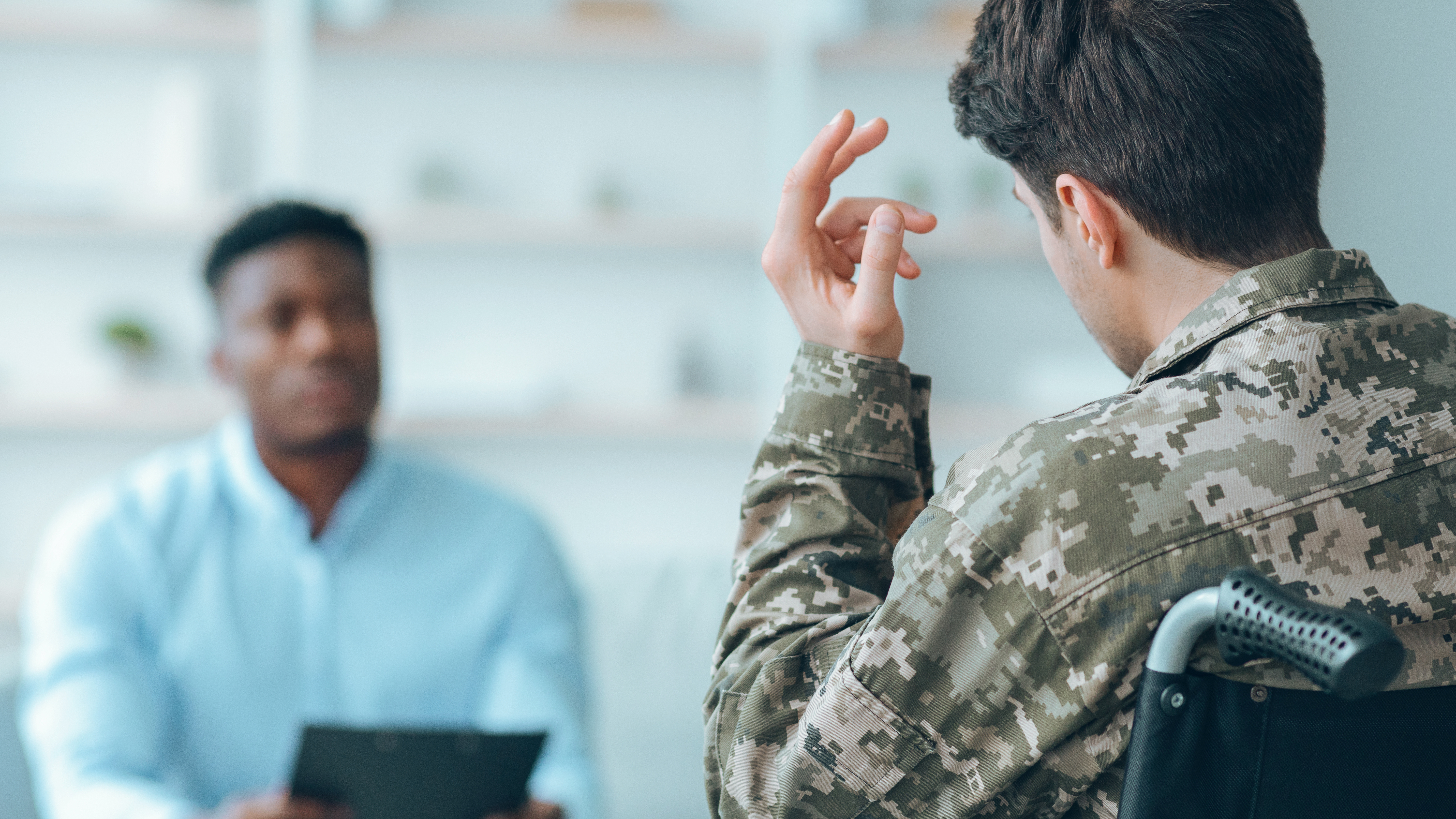
Preparing for a VA disability interview, also called a compensation and pension exam can be very overwhelming and stressful. You want the examiner to understand exactly how your service-connected condition affects your daily life. What you say and what you don’t can be the determining factor for a disability rating that you need to receive benefits. Too many veterans walk in unprepared and unknowingly hurt their own claim by using vague language, minimizing symptoms, or focusing on the wrong details. Understanding what not to say can help ensure your interview accurately reflects your level of disability.
Down Playing Your Condition
One of the most damaging things you can say in a VA disability interview is downplaying your condition. If the examiner asks how you are doing and you reply with a casual “I’m fine,” “It could be worse,” or “I manage okay” can lead the VA examiner to believe your condition has minimal impact on your daily life. Answer questions as accurately as possible regarding the specific details about your physical or mental struggles. For example, if sitting in the waiting room caused your back to lock up, tell them that. The VA rating system is based on functional impairment, not just diagnosis.
Don’t Exaggerate Your Symptoms
While underreporting symptoms can hurt your claim, exaggerating them can be just as damaging. VA examiners are trained to look for inconsistencies between your statements, medical records, and physical exam findings. If your verbal claims don’t match your medical records or the physical exam, this could affect your credibility, lead to a more detailed review, or delay your claim. Describe your symptoms honestly and focus on how your condition affects you on your worst days, but never invent or inflate issues. Stick to accurate, consistent descriptions of your actual experience.
Don’t Guess or Speculate
If you don’t remember a specific date or detail, be honest about this instead of guessing. Providing inconsistent information creates confusion and can harm your claim. Stick to the facts documented in your medical files. If you start speculating or guessing, this could cause contradictions that examiners need to verify, which often results in a delayed or denied claim.
Overexplaining Why You Didn’t Seek Treatment
Telling the VA examiner that you “didn’t seek treatment because it wasn’t serious” is a common statement. Many veterans don’t seek treatment due to cost, access issues, or stigma—not because symptoms aren’t severe. Instead of overexplaining or downplaying why you didn’t seek treatment, be direct and honest about why you didn’t. Common reasons veterans don’t seek treatment are due to lack of access to care, long wait times, needing a caregiver for help, or not realizing the severity at the time.
Minimizing the Impact on Work & Daily Life
The VA disability system largely takes into account how your condition affects your day to day life. Avoid saying things like: “I can still work through the pain,” or “The condition doesn’t really affect my job.” Instead, describe the daily limitations you experience because of your conditions. This could be, missed work, reduced productivity, difficulty standing, sitting, or concentrating, and how it impacts your social and family life.
Bringing Up Unrelated Issues
A VA disability interview is focused on the specific condition being evaluated. Bringing up unrelated symptoms can confuse the examiner and shift focus away from your claim, which could be detrimental to your claim. You can mention other issues, but only if they’re relevant or are asked about them.
Stay Calm & Focused
Don’t use the interview to vent about the VA system, your former command, or the claims process. Venting comes across as argumentative or hostile. Keep the conversation focused only on your medical conditions and how they impact your life. Treat the appointment with the same professionalism you would for any other serious issue.
How Do You Prepare For a Disability Interview?
Going into your exam prepared can help calm nerves so you can communicate confidently. You can prepare by:
- Bringing Notes⎯Write down your symptoms and how they impact your daily life before you arrive. If you’ve kept a daily journal, be sure to bring that.
- Review Your Files⎯Read through your personal statements and medical records so you know exactly what the VA already has on file.
Listen carefully to each question and answer only what is asked, keeping your responses clear, concise, and focused.
Nationwide VA-Accredited Disability
Our attorneys at the Disability Benefit Center are here to help veterans feel more prepared and confident going into the interview. While attorneys don’t usually attend compensation and pension exams with you, we can help you prepare for your interview by explaining what to expect, reviewing your medical history, and helping you clearly communicate your symptoms. Our attorneys will identify key details you should be ready to discuss so the examiner fully understands the severity and impact of your condition. After the interview, your attorney will review the results to ensure they accurately reflect your condition and challenge any inconsistencies, if needed. Having legal guidance throughout this process will help strengthen your claim and prepare you for the interview.
If you have any questions or would like a free claim review, our VA-accredited attorneys are here to help you 24/7, so contact us for a consultation by calling us at (833) 922-2799 or filling out our online form.
FAQs
What is a VA disability interview?
A VA disability interview, also called a compensation and pension exam, is an evaluation where a VA examiner assesses the severity of your condition and how it affects your daily life.
Do I have to attend a VA disability interview?
If the VA schedules you for a compensation and pension exam, attending is usually required for your claim to move forward. Missing it can delay or cause your claim to be denied.
Who conducts the VA disability interview?
The interview is conducted by a VA medical provider or a contracted healthcare professional who reviews your condition and medical history.
What happens during the exam?
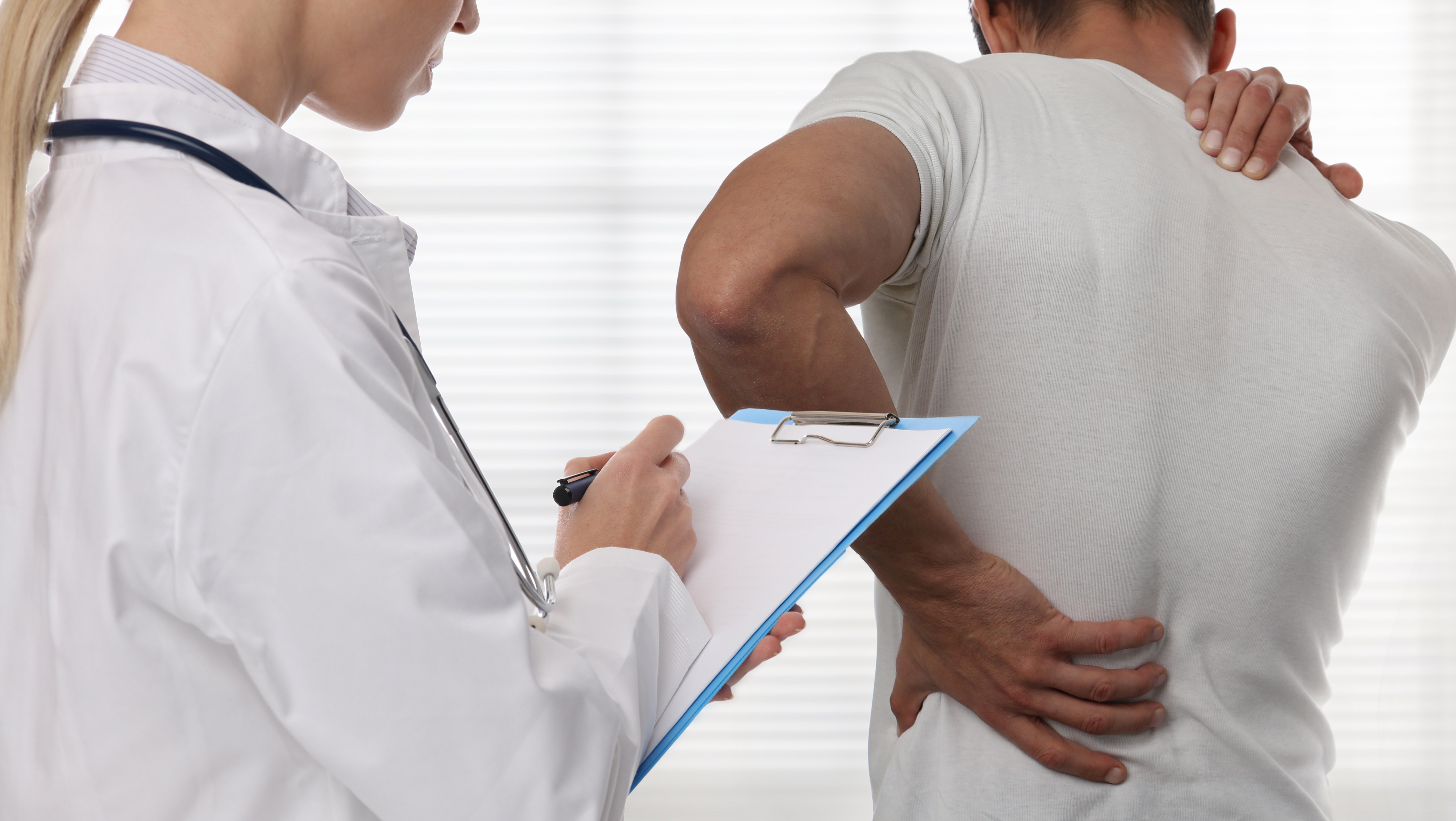
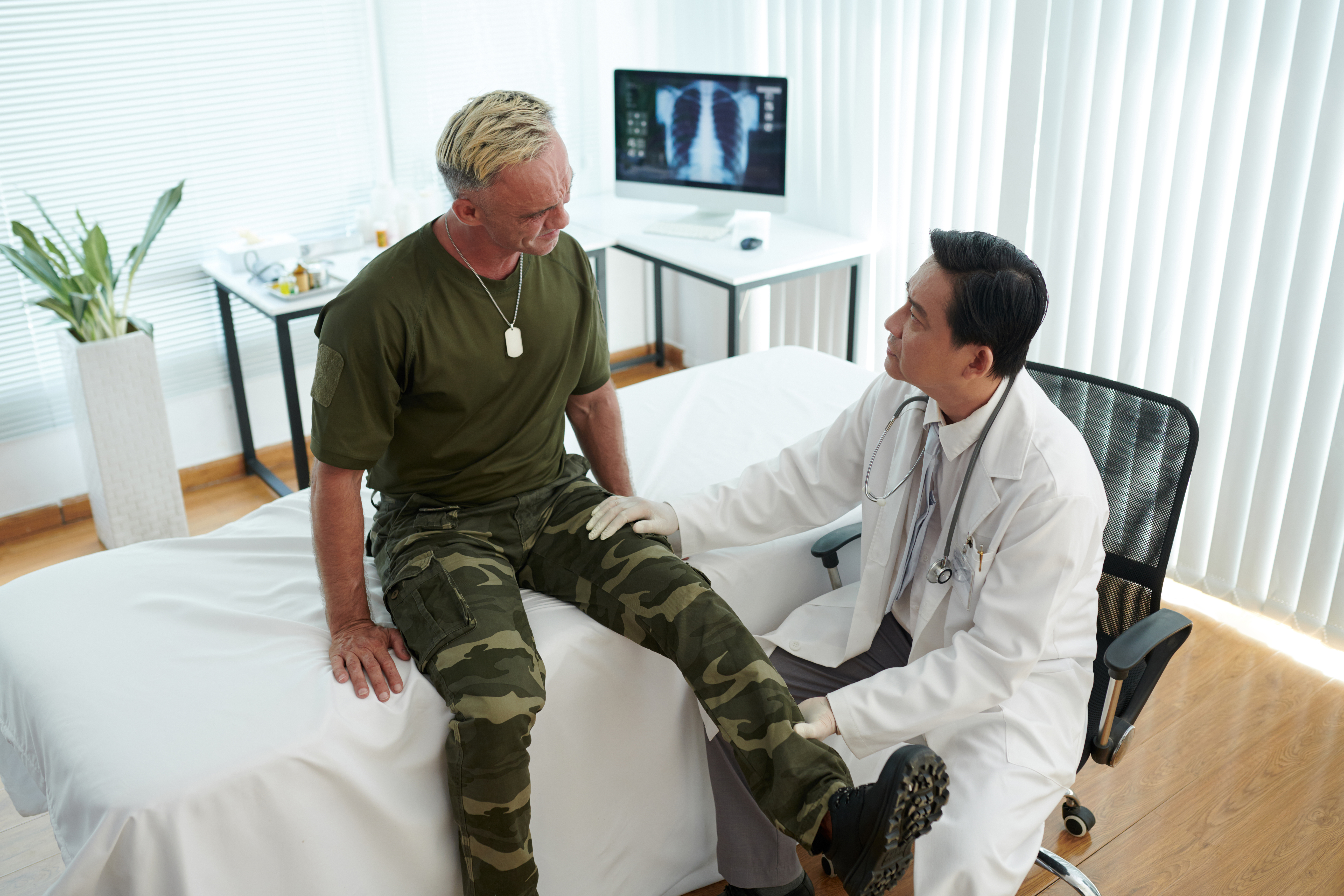
The examiner will ask questions about your symptoms, medical history, and how your condition affects your daily activities. They may also perform a physical examination, if needed.
Can I bring someone with me to my VA interview?
In most cases, you can bring someone for support, but they usually can’t participate in the medical evaluation unless the examiner allows it.
Can I have an attorney at my VA disability interview?
Attorneys usually don’t attend VA disability interviews, however, they can help you prepare beforehand and review the results afterward.